
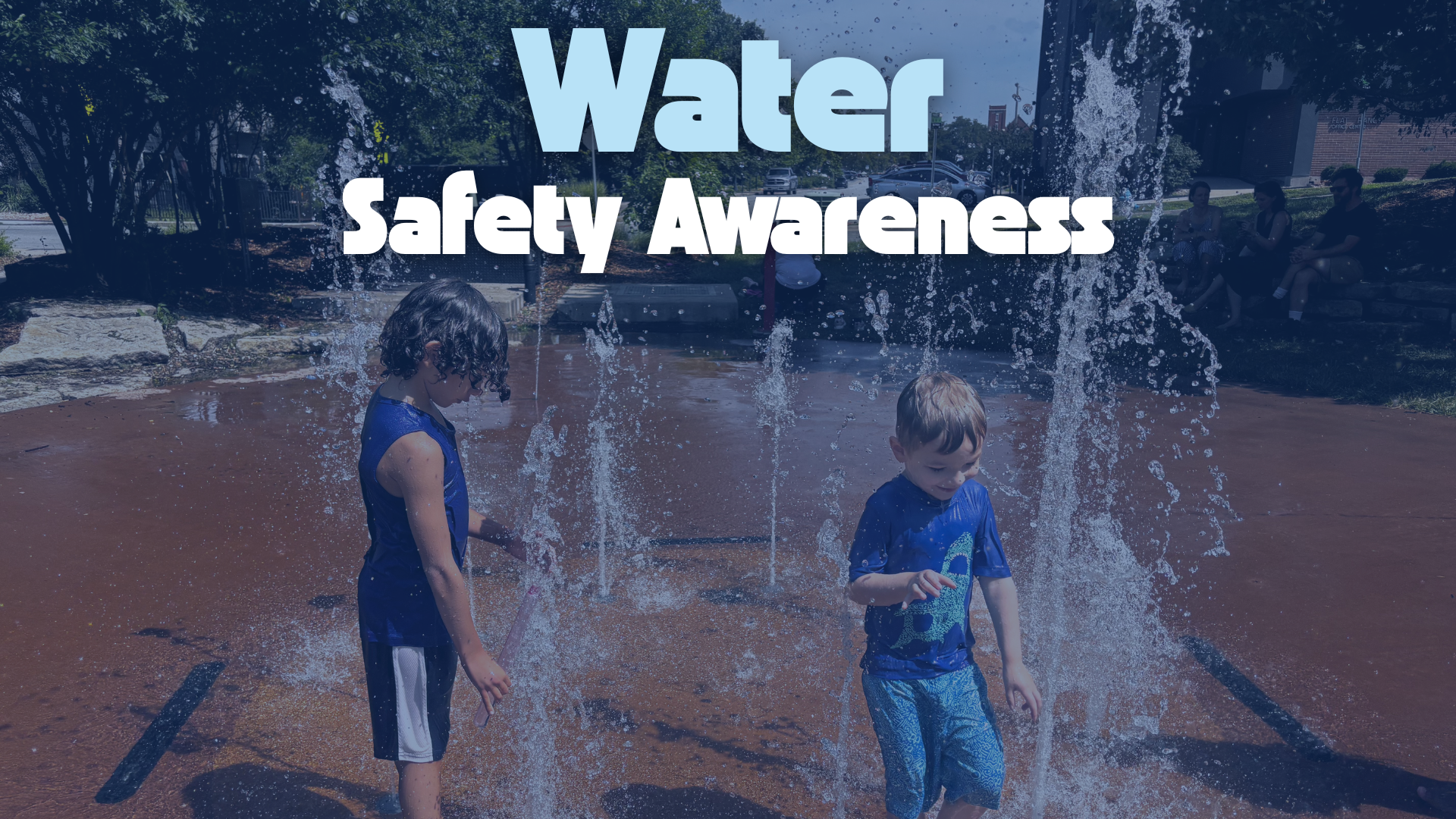
Summer is a time for swimming pools, splash pads, lakes, and family vacations. Water activities can be a wonderful way for children and adults to stay active, have fun, and cool off during the warmer months. For many individuals with autism, water can also provide a calming and enjoyable sensory experience. However, water safety deserves special attention within the autism community due to an increased risk of wandering and drowning.
Why Water Safety Matters for Individuals with Autism
Research shows that nearly half of children with autism have wandered, or “eloped,” from a safe environment at some point. Wandering can happen quickly and often occurs when a child is seeking something they enjoy, trying to escape a stressful situation, or exploring their surroundings. Water sources such as pools, ponds, lakes, and fountains can be especially attractive destinations.Because of this connection between wandering and water, drowning is one of the leading causes of accidental death among children with autism who wander. According to the Autism Society and the National Autism Association, water-related incidents account for the majority of fatal wandering incidents involving autistic children.
Understanding the Attraction to Water
Every person with autism is unique, but many individuals are naturally drawn to water because of its sensory qualities. The movement, sounds, reflections, and tactile sensations associated with water can be calming, soothing, and engaging. While this attraction is not inherently dangerous, it can increase the likelihood that an individual may seek out water without fully understanding the risks. Additionally, some individuals may have difficulty recognizing danger, communicating distress, or responding to verbal instructions during an emergency. These factors can increase safety concerns around water environments.
Water Safety Tips for Families
A layered approach to water safety is the most effective way to reduce risk. Experts recommend combining supervision, swimming skills, physical barriers, and emergency planning. [autismspeaks.org], [cdc.gov]
- Prioritize Constant Supervision
Nothing replaces active adult supervision. When enjoying water activities:
- Designate a responsible adult as the “water watcher.”
- Avoid distractions such as phones or conversations.
- Stay within arm’s reach of young children or individuals who need support.
- Do not assume someone else is watching.
- Teach Water Safety and Swimming Skills Early
The CDC, Autism Speaks, and other safety organizations encourage families to introduce water safety concepts early. Swimming lessons can help individuals gain confidence and learn lifesaving skills such as floating, treading water, and safely exiting a pool. Adaptive swim programs can be especially beneficial for individuals with autism.
- Secure Your Home and Pool Area
If you have access to a pool or live near water:
- Install four-sided fencing with self-closing, self-latching gates.
- Use door and window alarms.
- Consider pool alarms and other safety devices.
- Remove access to water when it is not being used.
- Create a Wandering Prevention Plan
Since wandering is a known safety concern, families should have a plan in place.
Consider:
- Sharing safety information with trusted neighbors and caregivers.
- Using identification bracelets or GPS devices when appropriate.
- Keeping recent photographs readily available.
- Developing an emergency response plan if a loved one goes missing.
- Know What to Do in an Emergency
If an autistic child or adult is missing, experts recommend calling 911 immediately and checking nearby water sources first. Quick action can save lives.
Supporting Safe and Inclusive Recreation
Water activities offer many benefits, including recreation, exercise, social opportunities, and sensory enjoyment. The goal is not to avoid water altogether but to create safe opportunities for participation. With proper planning, supervision, and education, families can help individuals with autism enjoy swimming and other water activities while reducing risk. At UCP Heartland, we are committed to promoting safety, independence, and inclusion for individuals with disabilities and their families. As you enjoy the summer season, we encourage everyone to take a few extra moments to review water safety practices and create a plan that works for your family. Have a safe and enjoyable summer!
References
Centers for Disease Control and Prevention. (n.d.). Wandering (elopement). U.S. Department of Health and Human Services. https://www.cdc.gov/child-development/disability-safety/wandering.html, Autism Speaks. (n.d.). Swim and water safety. https://www.autismspeaks.org/tool-kit-excerpt/swim-and-water-safety, Autism Society of America. (n.d.). Safety on the Spectrum™: Water & wandering program. https://autismsociety.org/water-and-wandering/, National Autism Association. (n.d.). Water safety & drowning prevention. https://nationalautismassociation.org/resources/wandering/, National Autism Association. (n.d.). Wandering resources. https://nationalautismassociation.org/resources/wandering/, HealthyChildren.org. (n.d.). Keep autistic children safe from wandering. American Academy of Pediatrics. https://www.healthychildren.org/English/health-issues/conditions/Autism/Pages/Autism-Wandering-Tips-AAP.aspx